This is your blog

The daily Post

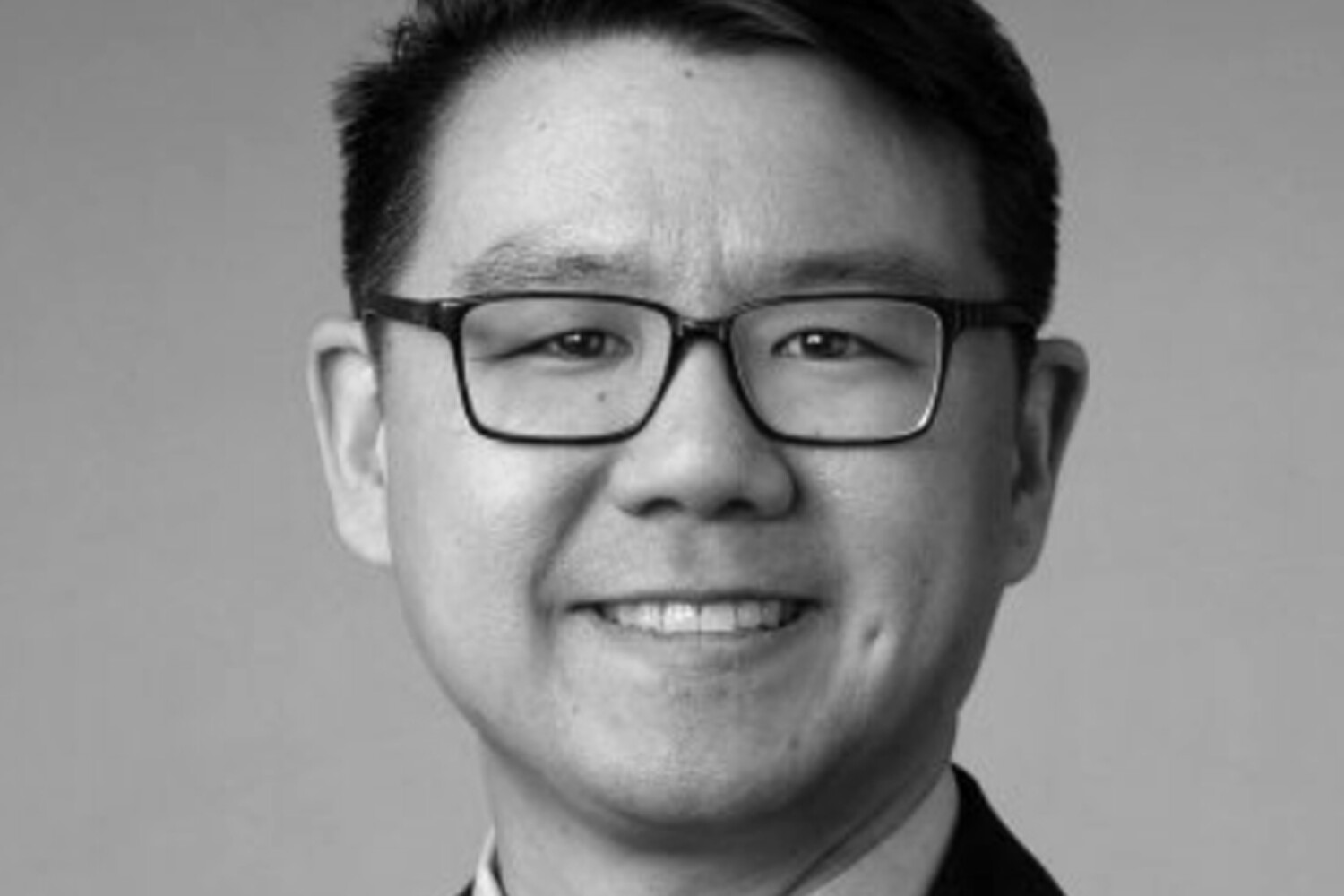
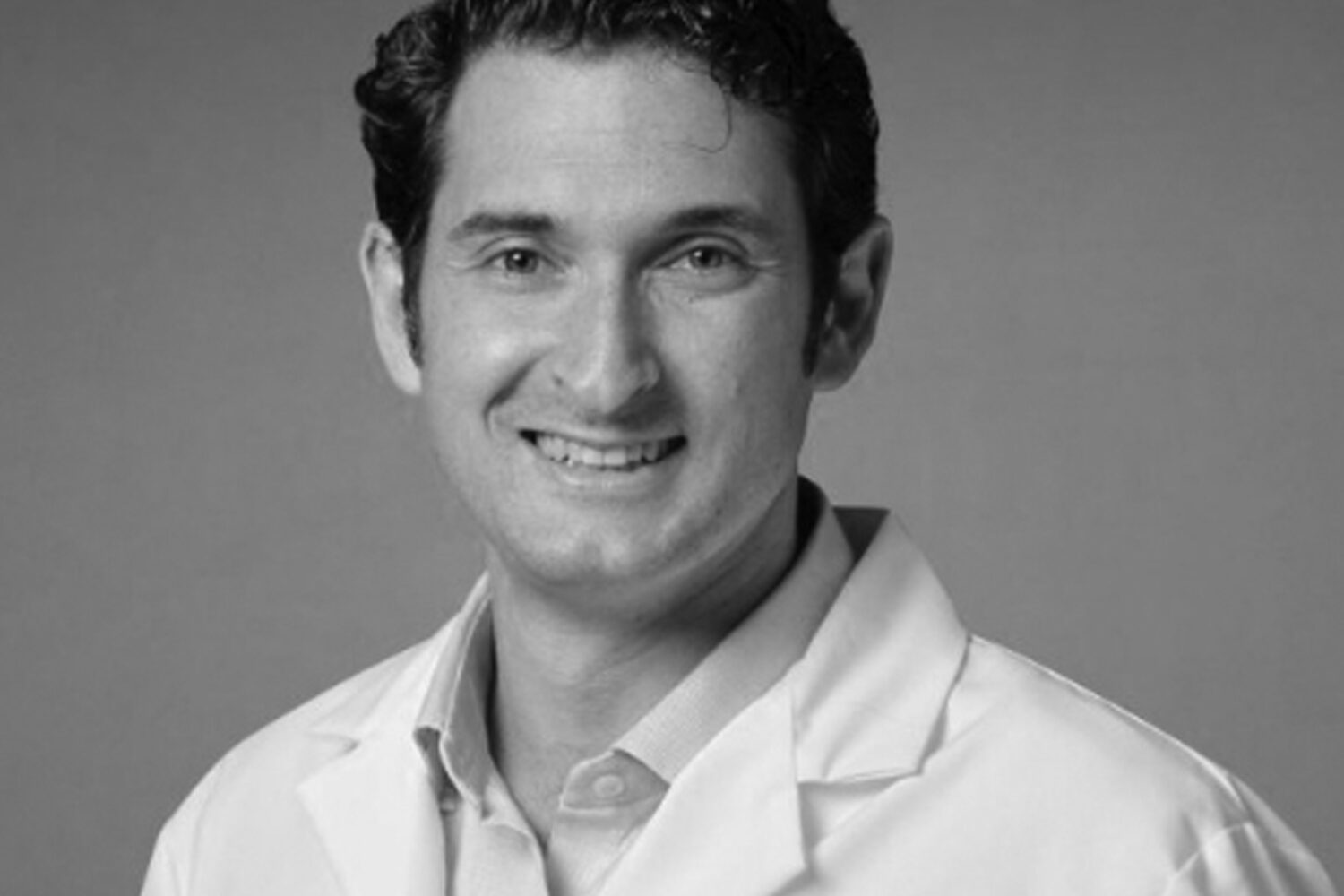
Shawn T. Sorge, PhD

Shawn T. Sorge, PhD

Clinical Psychologist – Department of Veterans Affairs (VA), New York Harbor Healthcare System – Manhattan Campus

Clinical Assistant Professor – Department of Psychiatry, New York University (NYU) Grossman School of Medicine

Co-Director – Psychotherapy Research and Development Program (NYU/VA)

Dr. Shawn T. Sorge is a clinical psychologist at the Department of Veterans Affairs (VA), New York Habor Healthcare System – Manhattan Campus. He is also an Assistant Clinical Professor in the Department of Psychiatry at the New York University (NYU) Grossman School of Medicine.  Dr. Sorge completed graduate training at Columbia University, and earned his doctorate from Long Island University (Brooklyn), with a concentration on psychodynamic psychotherapy. He completed his psychology internship and postdoctoral fellowship at VA, specializing in health psychology, primary care mental health integration, and precision medicine.

Dr. Sorge is Co-Director of the NYU/VA Psychotherapy Research and Development Program (PRDP), serving as Principal Investigator (PI) on research projects focusing on clinical trials examining the effectiveness of brief psychodynamic psychotherapy, mental health measurement-based care, and ethical and clinical considerations for precision medicine implementation in mental health. He is Co-Investigator on VA Office of Rural Health projects examining the effectiveness of mindfulness-based cognitive therapy for suicide among rural Veterans and a NIH-funded study for group therapy treatment of alcohol use disorder among female Veterans. Dr. Sorge is a health science researcher in the NYU/VA Veterans EquiTy in the Cancer CAre Continuum REsearch (VETCARE) Center of Innovation (COIN), focusing on Veteran mental health research. Dr. Sorge is also affiliated with the NYU Center for Precision Medicine for Alcohol Use Disorder and Posttraumatic Stress Disorder.

Research interests: Precision medicine, Ethics, Psychodynamic psychotherapy, Health psychology, PTSD, Suicide prevention, Veteran mental health, Qualitative methods
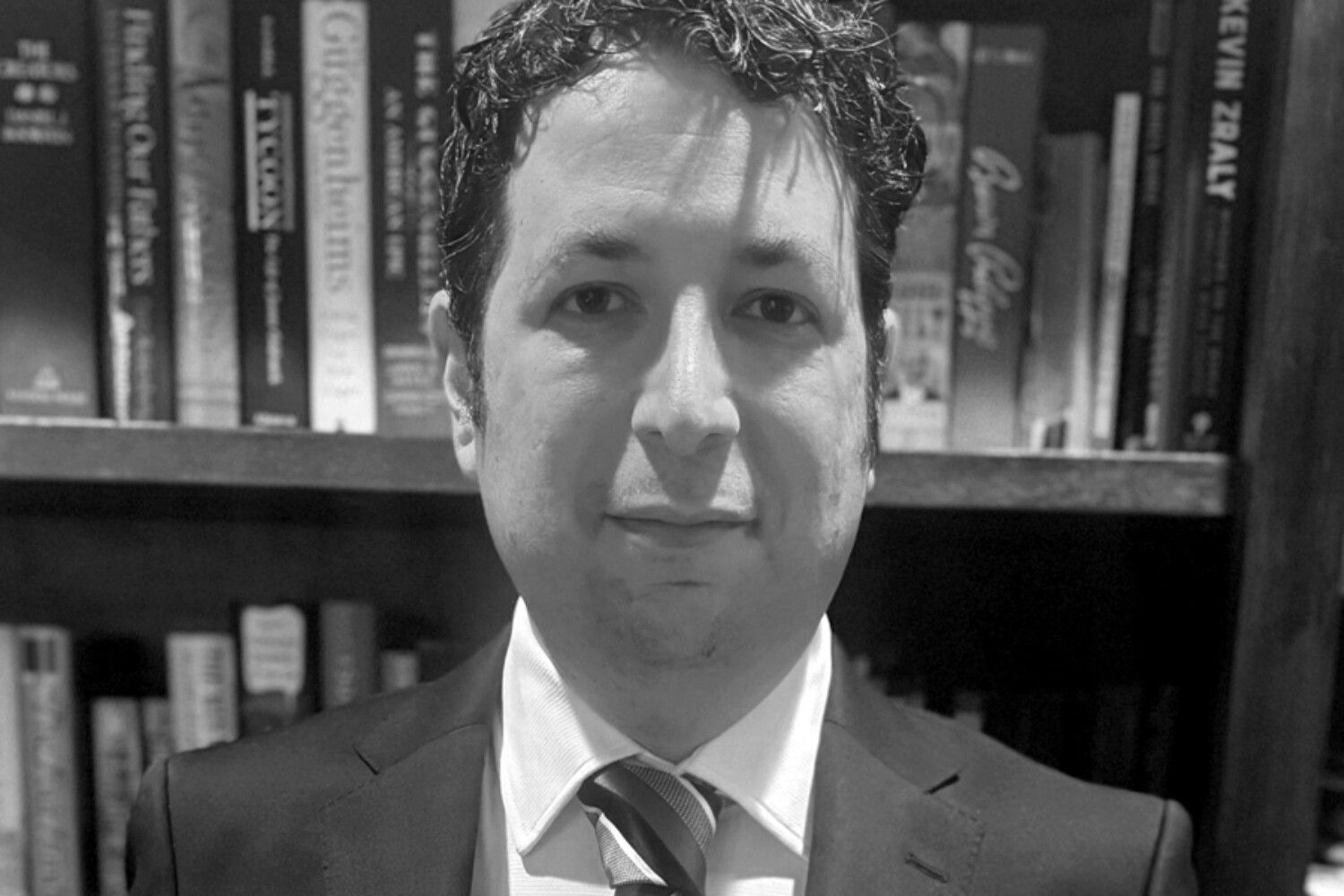
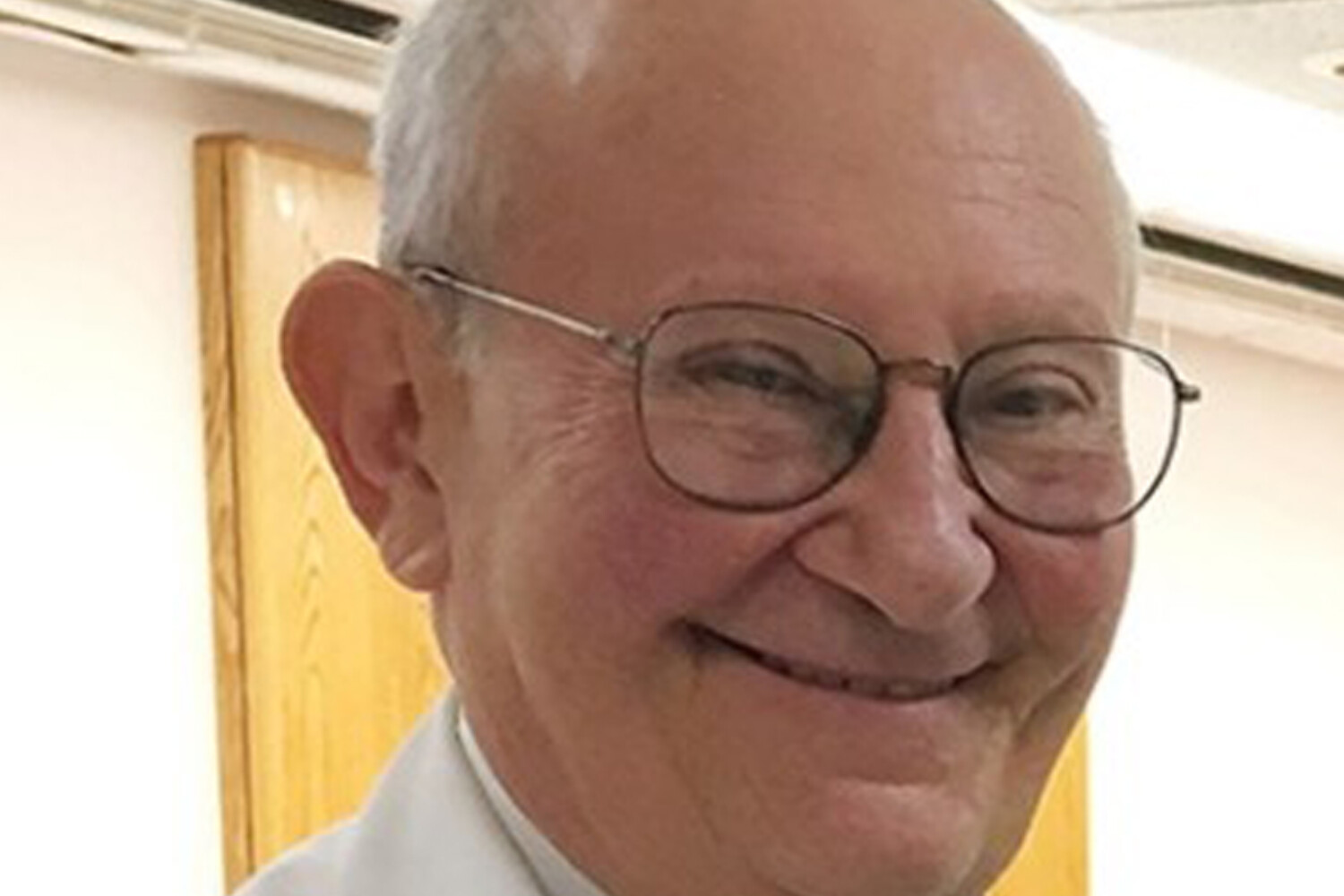
Jonathan Wallach MD

Jonathan Wallach MD

  • Dr. Jonathan Wallach, MD is a radiation oncologist in Brooklyn, NY and has over 15 years of experience in the medical field. He graduated from New York University in 2009.

Dr. Jonathan Wallach, MD is a radiation oncologist in Brooklyn, NY and has over 15 years of experience in the medical field. He graduated from New York University in 2009.


Dr. Jonathan Wallach is a Clinical Assistant Professor in the Department of Radiation Oncology at the VA-NYHHS, Brooklyn Campus.  He attended the Johns Hopkins University for undergraduate studies and then the NYU-Langone School of Medicine, followed by a radiation oncology residency at Montefiore/Albert Einstein College of Medicine and fellowship at Stanford University School of Medicine in stereotactic radiosurgery.  He has research interests in oligometastatic disease, preventive healthcare, and precision oncology.

Currently, Dr. Wallach serves as the Site Principal Investigator for the Northwell Health/Department of Defense funded four-year prospective research study Alcohol Cessation Among Head and Neck Cancer Survivors: A Pilot RCT of a Tailored Text Message-Based Intervention.  He is a researcher within the VA’s Palliative Radiotherapy Research group, and is currently working on projects regarding oligometastatic disease and refining the prostate PI-RADS criteria.

Dr. Wallach helped form the Brooklyn Campus’ VA Tobacco Cessation Program, and actively promotes it.  In 2023, he directed the Smoking Cessation/Committee on Cancer Quality Improvement Initiative Beyond Ask for tobacco cessation.  As well, he organizes and moderates the monthly national Radiation Oncology VA Grand Rounds.

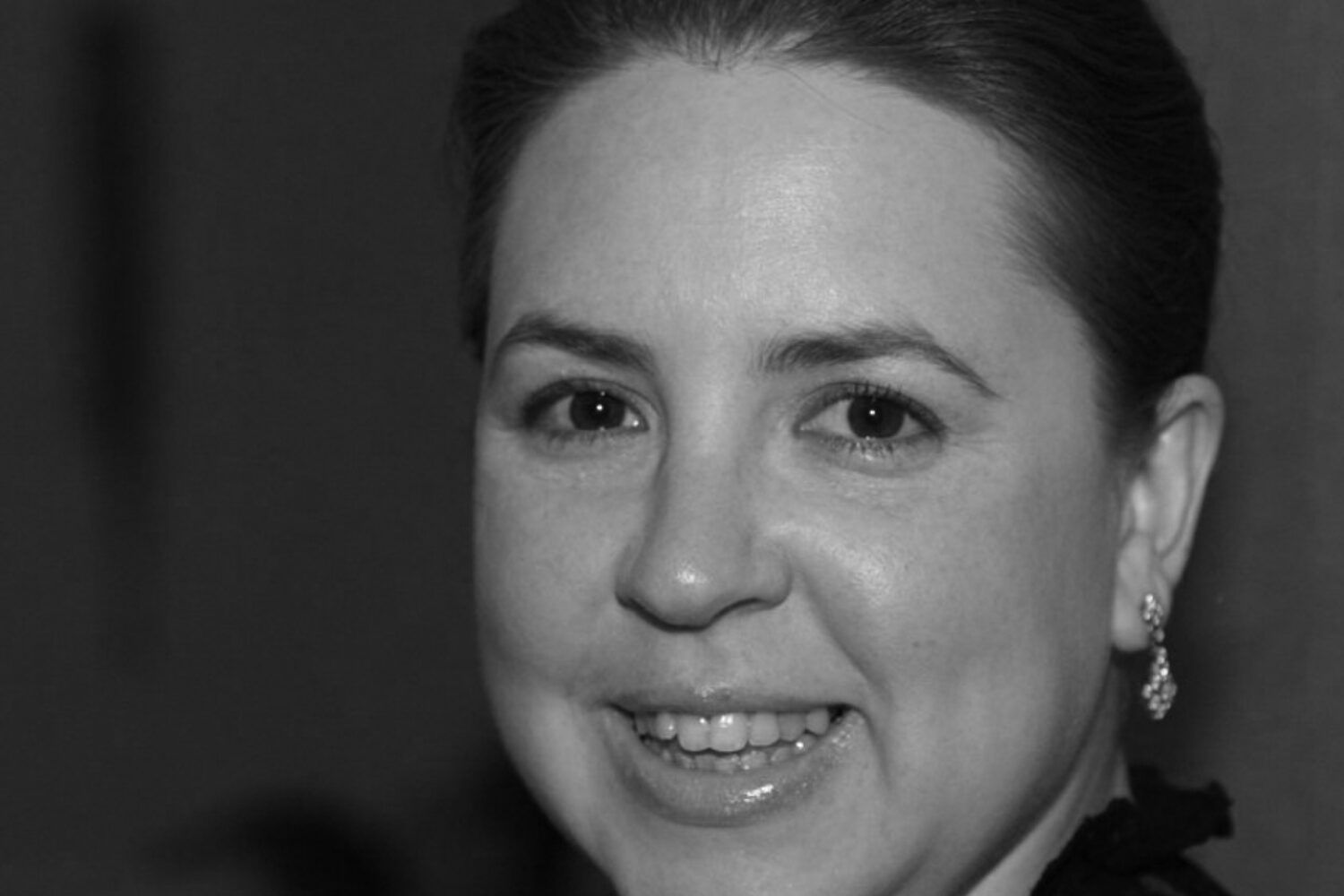
Benjamin G. Wu, MD

Benjamin G. Wu, MD

  • Dr. Benjamin G. Wu is an Assistant Professor in the NYU Grossman School of Medicine and Physician-Scientist in the NYU Translational Lung Biology Laboratory (PI: Dr. Leopoldo Segal). Ben is an early career researcher with a focus on how the lung microbiome affects host susceptibility to lower respiratory tract infection. He studies how dysbiosis, or the disruption of the lower airway microbiome, changes host immunity thereby altering how the host responds to infection. He uses murine models and human cohorts to decipher pathways and mechanism related IL-17 and functional immune exhaustion.

As a pulmonologist at NYU Langone, I am dedicated to providing comprehensive and empathetic care. My approach to medicine is deeply rooted in my background as a fundamental or “bench” researcher, which has instilled in me the importance of clear communication, teamwork, and maximizing each patient’s potential.

My research at the NYU Langone Translational Lung Biology Laboratory focuses on understanding how the lungs genetically respond to pneumonia and exploring the lung microbiome, a community of microorganisms that live in the lungs, such as bacteria, viruses, and fungi. This work is crucial to developing innovative treatments for lung conditions and improving patient outcomes.

My credentials include numerous research grants from the National Institutes of Health (NIH), the U.S. Department of Veterans Affairs (VA), and support from the Stony Wold-Herbert Fund, the CHEST Foundation, and the Flight Attendant Medical Research Institute, among others.

My journey into medicine began during my undergraduate studies at the University of California, Los Angeles (UCLA), where I majored in microbiology, immunology, and molecular genetics. Working at the Center for Duchenne Muscular Dystrophy at UCLA further inspired me to pursue a career in medicine, as I realized the profound impact a strong foundation in bench research can have on clinical practice.

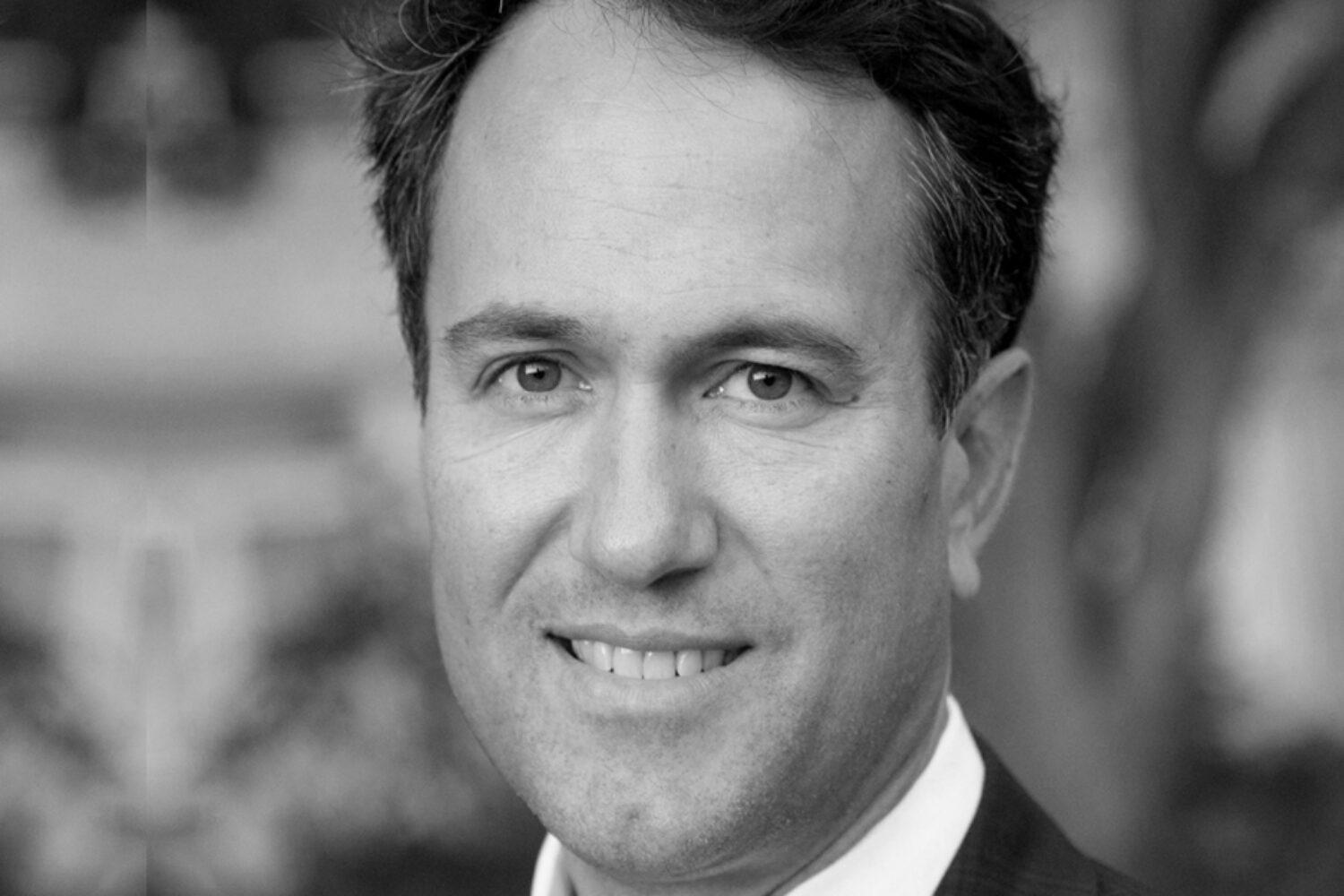
Dr. Michael Simberkoff

Dr. Michael Simberkoff

Dr. Michael Simberkoff

Dr. Michael Simberkoff

  • Principle Investigator in the Biomechanics Research for the Advancement of Veteran Outcomes (BRAVO) Laboratory – Department of Veteran Affairs New York Harbor Healthcare System

Dr. Michael Simberkoff, a Navy Veteran, is one of the leading experts in the country on infectious diseases. For many years, he studied how such diseases as hepatitis B, pneumococcal pneumonia, shingles, and influenza could be prevented or modified by vaccines. He was also a pioneer in treating the human immunodeficiency virus (HIV) and its complications and has published more than 100 peer-reviewed articles. He spent 46 years at VA, including 19 as chief of staff of the VA New York Harbor Healthcare System, before retiring in July 2016. He continues to see patients as a volunteer at his infectious disease clinic at VA New York Harbor. He also supervises infectious disease fellows, internal medicine residents, and medical students, and he performs clinical research as a volunteer. He hopes to continue serving Veterans as long as he’s physically and mentally able to do so.

What inspired your research career?

I was interested in pursuing medical research in college, in medical school, and as I began my internal medicine training. I was very fortunate to have great mentors in the department of medicine at New York University, including Dr. Lewis Thomas, Dr. Saul Farber, and Dr. Sherwood Lawrence. These physicians served in the Navy during World War II and helped me obtain a position at the Naval Medical Research Institute [now the Naval Medical Research Center] at the National Naval Medical Center in Bethesda, Maryland.

Did you have mentors in your youth or at any other time who inspired you in life, the military, and-or in your research career?

In addition to my mentors in medical school and internal medicine, I had wonderful mentors at the Naval Medical Research Institute in Dr. Francis Gordon, chief of microbiology research, and Dr. Neylan Vedros. Dr. Vedros helped me learn how to combine my interests in clinical and laboratory research to study infectious diseases. After I returned to Bellevue Hospital and New York University to complete my training, I worked as a basic sciences-infectious disease fellow in the lab of Dr. Lewis Thomas to establish my research credentials.

When and where did you serve in the military? What did you do in the military?

I was a medical research officer while on active duty in the Navy from July 1964 to June 1966.  My main duty station was at the Naval Medical Research Institute. My role was to organize a clinical and laboratory research program to study infectious mononucleosis, or IM. IM was common among Navy and Marine Corps recruits, and it caused substantial illness and time lost from training. My job was to collect specimens that we hoped would help define the cause of the illness and a possible means to prevent it. I was also detailed to Camp Lejeune in North Carolina to evaluate and collect specimens for microbiologic analysis from Marine recruits with acute infectious mononucleosis.

You’ve had a longstanding interest in preventing infectious diseases and in vaccines. Tell me more about the research you’ve done and your specialties. How has your work impacted Veterans?

My interest in preventing infectious diseases began during my active service in the Navy. It continued during my basic sciences-infectious disease fellowship in the lab of Dr. Thomas. I moved to the VA New York Harbor Healthcare System in 1970, where I first served as a research associate and later as a clinical investigator. During this period, I studied immune responses to the hepatitis B vaccine developed by Dr. Saul Krugman. In 1975, I moved from the research service to the infectious disease section at VA New York Harbor and continued my clinical and research work. I then became chairman of a VA cooperative study to determine the efficacy of the 12-valent pneumococcal capsular polysaccharide vaccine in high-risk Veteran patients. The vaccine induces antibodies that protect against 12 of the most common types of pneumococcal strains that caused serious bacteremia and-or meningitis infections. This study brought me in contact with a great statistical support team at the CSP Coordinating Center in West Haven, Connecticut, including luminaries in the vaccine world such as Dr. Robert Austrian of the University of Pennsylvania. When the HIV epidemic struck in the 1980s, I became involved in treatment and efforts to prevent this infection in Veterans.

Did your military experience inspire you to pursue a career as a VA researcher? Is your military experience connected in some way to your VA research?

I learned how to do clinical research in the Navy. My positive experiences in the Navy heavily influenced my decision to move to VA following completion of my internal medicine-infectious disease training. I enjoyed and continue to enjoy working with Veterans. They are the most deserving group of patients we can serve. My research in vaccines has definitely improved the lives of Veterans and other people.

Do you believe being a Veteran gives you a greater emotional tie to the work you’re doing? Does it give you more insight into Veterans’ needs?

My experience in the Navy has been a great asset during my career at VA. It allows me to talk to Veterans and their family members as a fellow Veteran, and to better understand and empathize with the physical, mental, and social issues that they experience.

Based on your life experiences to date, what do you believe are the keys to success? What motivational tips would you share?

The keys to success are to work hard, always do what is best for Veterans, and to look at opportunities to accomplish and set new goals.

Alexis Sidiropoulos, PhD

Alexis Sidiropoulos, PhD

Alexis Sidiropoulos, PhD

Alexis Sidiropoulos, PhD

  • Principle Investigator in the Biomechanics Research for the Advancement of Veteran Outcomes (BRAVO) Laboratory – Department of Veteran Affairs New York Harbor Healthcare System

Dr. Sidiropoulos is a Principle Investigator in the Biomechanics Research for the Advancement of Veteran Outcomes (BRAVO) Laboratory at the Department of Veteran Affairs New York Harbor Healthcare System. After earning an MS degree in Biomechanics, Dr. Sidiropoulos completed her academic career with a PhD in Kinesiology from Columbia University. With a background of research in motor learning and control, Dr. Sidiropoulos now focuses on the field of prosthetics with a concentration on whole-body movement analysis using 3-dimensional motion capture.

The Department of Defense recently granted Dr. Sidiropoulos a Clinical Research Award to implement a novel analysis of continuous coordination and stability during walking in Veterans and Service Members with lower extremity limb loss. In addition to performing research at the BRAVO lab, Dr. Sidiropoulos has also served as an Adjunct Assistant Professor at Brooklyn College and Teachers College, Columbia University, teaching graduate level courses related to Biomechanical Analysis of Movement and Research Design.

Dr. Binita Shah
Dr. Binita Shah

Dr. Binita Shah

Dr. Binita Shah

Dr. Binita Shah

  • Assistant Professor of Medicine and Associate Director of Research – Cardiac Catheterization Laboratory at NYU
  • Associate Director Cardiac Catheterization Laboratory and Director of the Transcatheter Valve Program – Manhattan VA Hospital

Dr. Binita Shah was awarded her MD and a Masters of Science in Clinical Investigation from NYU School of Medicine. After her Interventional Cardiology fellowship, she completed two years of a post-doctoral research fellowship with funding from the American College of Cardiology Foundation and the NIH T32 Program.

Dr. Shah joined the Interventional Cardiology faculty at NYU and the Manhattan Veterans Affairs Hospital in 2012. Dr. Shah is currently Assistant Professor of Medicine and Associate Director of Research in the Cardiac Catheterization Laboratory at NYU. She is also Associate Director Cardiac Catheterization Laboratory and Director of the Transcatheter Valve Program at the Manhattan VA Hospital. Dr. Shah conducts clinical translational research and utilizes a multi-disciplinary approach to the treatment of coronary artery disease and acute coronary syndrome with a focus on optimization of the underlying inflammatory and glucometabolic milieu. She was a recipient of a grant from the American Heart Association Clinical Research Program and is principal investigator of the recently completed randomized VA-funded COLCHICINE-PCI trial and NIH-funded ColCorona-US study, and the ongoing NIH-funded CLEAR SYNERGY Biospecimen Substudy.

Dr. Shah serves on multiple national committees through the Society of Cardiovascular Angiography and Interventions, American Heart Association, and American College of Cardiology. Dr. Shah is also Associate Editor for Circulation Cardiovascular Intervention and serves on the Society of Cardiovascular Angiography and Interventions Board of Trustees.

Dr. Jana I. Preis, MD

Dr. Jana I. Preis, MD

Dr. Jana I. Preis, MD

Dr. Jana I. Preis, MD

  • Chief of Infectious Disease Division – New York Harbor VA BK Campus
  • Lead – VISN2 ID ICC

Dr. Jana I. Preis is a double board certified in Infectious Disease and Internal Medicine physician who completed undergraduate and graduate training at The George Washington University; and training in infectious disease and hospital epidemiology at the Yale University School of Medicine.

She currently serves as a Chief of Infectious Disease Division, New York Harbor VA BK Campus; and as a VISN2 ID ICC Lead. Her scholarly interests lie in the areas of treatment and prevention of infections in immunocompromised patients, global health and travel medicine, antimicrobial stewardship program, and patient education.

She serves on the editorial boards of numerous infectious disease journals, authored several books chapters, actively participates in speaking engagements at the local, national and international conferences. In addition, Dr Preis possesses over ten years of experience in medical media and journalism as a founder and host of cable TV and radio medical news show.  As a clinician and scholar, Dr. Preis pursues a ‘Sherlock Holmes’ approach looking for unknowns among many knowns.

On a personal note, Dr. Preis enjoys traveling, classical music, and impressionist art; and describes her family as “happy and loud”.

Michael H. Pillinger, MD

Michael H. Pillinger, MD

Michael H. Pillinger, MD

Michael H. Pillinger, MD

  • Section Chief for Rheumatology – New York Campus
  • Professor of Medicine and Biochemistry and Molecular Biology – NYU Grossman School of Medicine

Dr. Pillinger completed his undergraduate degree in Biochemistry at Harvard University and his medical degree at NYU School of Medicine.  He trained in internal medicine at the Albert Einstein College of Medicine, and completed his fellowship in rheumatology at the NYU School of Medicine and the Hospital for Joint Diseases.  Dr. Pillinger serves as director of the NYU rheumatology fellowship training program and oversees TREC (Translational Research Education and Careers), the training and career development unit of the NYU Clinical and Translational Science Institute, where he also oversees the Masters of Science Program in Clinical Investigation.

Dr. Pillinger’s research interests focus on the mechanisms and consequences of inflammation, including inflammation in crystal diseases such as gout.  Particular interests include the cardiovascular consequences of inflammatory diseases, which has led to close collaborations with cardiology colleagues, particularly Dr. Binita Shah.  He has done extensive work on the impact of colchicine and other gout-affiliated agents on various consequences of inflammation.  Among his most recent work are the COLCORONA study, examining the benefit of colchicine in patients with COVID, and the STOP-GOUT study, testing the comparative efficacy of two standard gout drugs, allopurinol and febuxostat.  Dr. Pillinger also studies the interaction of gout, the most common inflammatory arthritis in the world, and osteoarthritis, the most common arthritis overall.

To date, Dr. Pillinger has published more than 170 original reports, reviews and book chapters.  He is the recipient of the American College of Rheumatology Distinguished Program Director and Clinician Scholar Educator Awards, and has trained more than 100 rheumatology fellows.

Thomas S. Maldonado, MD, FACS, RVT

Thomas S. Maldonado, MD, FACS, RVT

Thomas S. Maldonado, MD, FACS, RVT

Thomas S. Maldonado, MD, FACS, RVT

  • Schwartz-Buckley Endowed Professor of Surgery – Vascular Division at New York University Langone Medical Center in New York, NY
  • Director – Venous Thromboembolic Center and the Aortic Center at NYU Langone Health
  • Chief – Vascular Surgery at the Manhattan Veterans Administration Hospital

Thomas S Maldonado, M.D. is the Schwartz-Buckley Endowed Professor of Surgery in the Vascular Division at New York University Langone Medical Center in New York, NY. He serves as Director of the Venous Thromboembolic Center and the Aortic Center at NYU Langone Health. He is also Chief of Vascular Surgery at the Manhattan Veterans Administration Hospital.

Dr. Maldonado received his undergraduate degree from Williams College where he studied English Literature went on to earn a Masters in Journalism at Boston University. He attended medical school at the New York University School of Medicine and completed his residency and fellowship in Vascular Surgery at the same institution. He did additional training at the Cleveland Clinic in advanced endovascular surgery before joining faculty of NYU in 2002.

He is well-recognized in the field and has been consistently named to US Top Doctor and New York’s Best Doctor list. He is well published in the field of vascular and endovascular surgery with over 100 peer-reviewed manuscripts and 30 book chapters.  He is invited to lecture nationally and internationally and is the course director for Advanced Endovascular Surgery for Latin America (which he gives entirely in Spanish – his first language). He is also course director for the annual Venous Update Course at NYU. He is an educator, having trained over 40 graduating vascular surgery fellow and is a national board examiner for Vascular Surgery.  He is recipient of a number of awards, including the Theodore Barnett Memorial Prize, awarded by the graduating class at NYU School of Medicine.

He is committed to advancing his field and is the ultimate collaborator. He is principal investigator as well as National PI on a number of clinical trials for use of novel endovascular devices for treatment of aortic aneurysms, carotid surgeries, lower extremity stents to list a few. He especially enjoys multicenter research projects in particular, where he publishes on  ‘real world’ experiences of devices and as we know well, he leads our Tactile VA study which you will hear about today.

Dr. Maldonado is a leader in his field having served as the President of the Vascular and Endovascular Surgery Society, the and the New York Society for Vascular Surgery. He is a member of the American Surgical Society, the oldest and most exclusive Surgical Society in the country. He is a reviewer and on the editorial board of numerous journals and is also Editor-in-Chief of the journal Vascular and Endovascular Surgery.

Dr. Danil Makarov
Dr. Danil Makarov

Dr. Danil Makarov

Dr. Danil Makarov

Dr. Danil Makarov

  • Urologist and Fellowship Trained Health Services Researcher – NYU Langone and VA New York Harbor

Dr. Danil Makarov is a board-certified urologist and a fellowship trained health services researcher at NYU Langone and VA New York Harbor. He is interested in discovering and disseminating into practice the best evidence to improve the quality and cost of care for men with prostate cancer. As part of that mission, he has worked to understand and overcome the barriers to implementation of evidence-based practices. He is PI for several Veteran’s Affairs Health Services Research and Development (HSR&D) studies to understand patterns of care for prostate cancer imaging and implement interventions to improve guideline-concordance. He is an advocate for increasing shared-decision making between providers and patients. Under the auspices of the American Urological Association, he has co-Chaired a committee to author a white paper and convene a Quality Improvement Summit to implement SDM into clinical practice. He has also been appointed the Director of Surgical Research Population Health at NYU and has mentored several academicians in health services research within urology and other surgical disciplines.

Notably, Dr. Makarov is the lead Principal Investigator of the John and Daria Barry Prostate Cancer Foundation Manhattan VA Center of Excellence. Since initial funding, the team has successfully implemented several protocols and initiatives which works closer to the goal of genotyping every Veteran with metastatic prostate cancer. Through continual feedback and information sessions, the COE’s goals have evolved and continue to be enhanced. The Narrows Institute of Biomedical Research is an important partner in developing infrastructure for our clinical trials and remains an instrumental partner for human resources and contracting activities to identify qualifying individuals to work and collaborate on the study team.

Contact

Get Connected.

The Non-Profit Research Corporation for the Department of Veteran Affairs New York Harbor Healthcare System

We are Located

800 Poly Place
Brooklyn NY, 11209
Fax: 718-567-4032

The Cutting Edge of Care.

continuously evolves with ongoing research and technological advancements. Staying updated with these innovations is crucial for healthcare professionals and researchers to provide the best possible care and develop new treatments for complex diseases.

The Narrows Institute

The Narrows Institute for Biomedical Research and Education Inc., (hereinafter referred to as the Narrows Institute) is a nonprofit 501 (c) (3) organization formed to support and engage in medical, pharmacologic, allied health and related administrative research and research-related

Contact